







Search Results for: coffee course fees
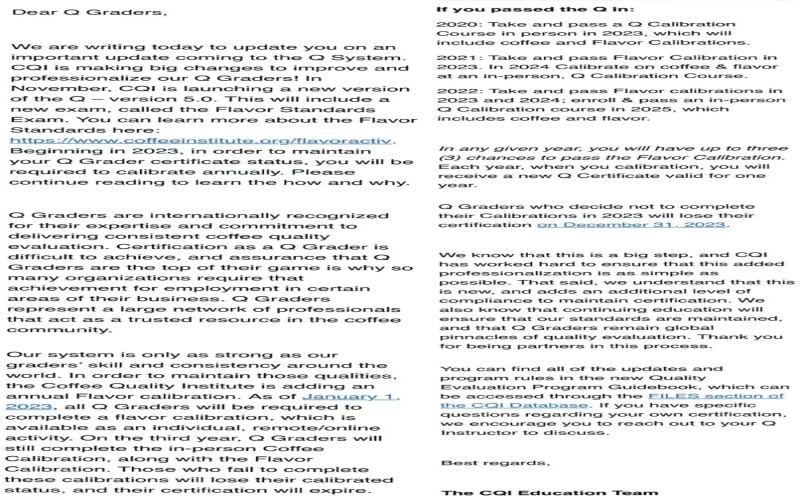
New Q Grader Certification Rules: Starting in 2023, annual flavor calibration is required, with fees and validity periods adjusted accordingly
Starting January 1, 2023, the Q Grader certification system will undergo significant changes. CQI requires all certified individuals and those currently enrolled in courses to independently complete an annual flavor calibration called Flavoractiv Calibration; otherwise, their certification will become invalid, and the certificate validity period will be shortened from three years to one year. At the same time, the triennial cupping calibration must still be attended as usual. The new requirement does not need an instructor present; individuals only need to purchase designated capsules, follow the instructions, and upload their answers to renew. CQI has also introduced calibration packages for different group sizes, priced from $160 to $585, with lower unit prices for larger groups. This article will provide a detailed interpretation of the new rules and fee changes. [more…]

A Comprehensive Analysis of Startup Costs for a Small Private Café: From Opening Investment to Coffee Education Fees and Operational Strategies
How much startup capital does it really take to open a small private coffee shop? And how much does it cost to learn coffee-making? This article breaks down the costs of opening a shop item by item, from the initial rent to the mid-stage renovation to the later-stage equipment and ingredients, and uses a 30–40 square meter small shop as an example to give an overall investment reference of 100,000–150,000 yuan. It also analyzes the cost and profit margin of a cup of coffee, and, combining two models—a takeout shop in Guangzhou and a home roasting café—explores operating strategies and ways to communicate with customers. Finally, it introduces the price range of coffee-learning courses. Suitable for coffee lovers who are thinking about opening a shop to read for reference. [more…]
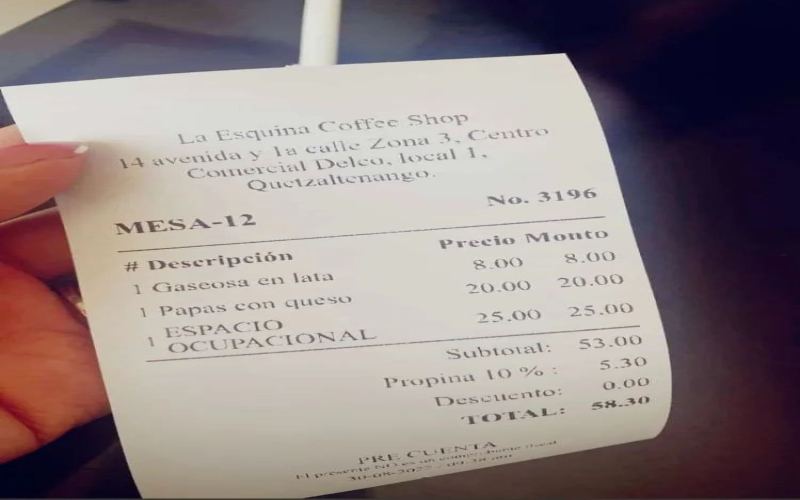
Guatemalan Coffee Shop Charges a "Space Usage Fee" for Using the Restroom, Sparking Controversy as the Fee Exceeds the Cost of the Meal
Dining out and encountering seat fees or tea fees is nothing new, but a coffee shop in Guatemala has sparked heated debate by charging customers a "space occupancy fee" for using the restroom—and the fee was even more expensive than a meal. After a customer posted the bill online, angry netizens flooded the shop's social media pages, and the shop later apologized, saying it was a system error. Behind the incident lies the survival struggle of small coffee shops under global inflation. This article will walk you through the whole story, netizens' reactions, and the industry background, while also covering professional coffee knowledge exchange and Front Street Coffee product recommendations. [more…]

Is It Worth Getting a Barista Certification? A Full Breakdown of the Differences Between SCA Certification and Q-Grader Qualification
Does working in the coffee industry really require obtaining a certification? This is a question that many coffee professionals and enthusiasts have pondered repeatedly. In recent years, China's coffee market has grown rapidly, with all kinds of training institutions springing up endlessly, and huge disparities in qualifications and fees, leading many people to waste their money. This article focuses on two paths—the SCA Barista certification and the Q-Grader coffee quality grader certification—sorting out their level systems, exam rules, fee ranges, and suitable audiences, to help readers judge whether certification fits their own career plans, while also discussing the practical value of certificates and the importance of subsequent self-improvement. [more…]
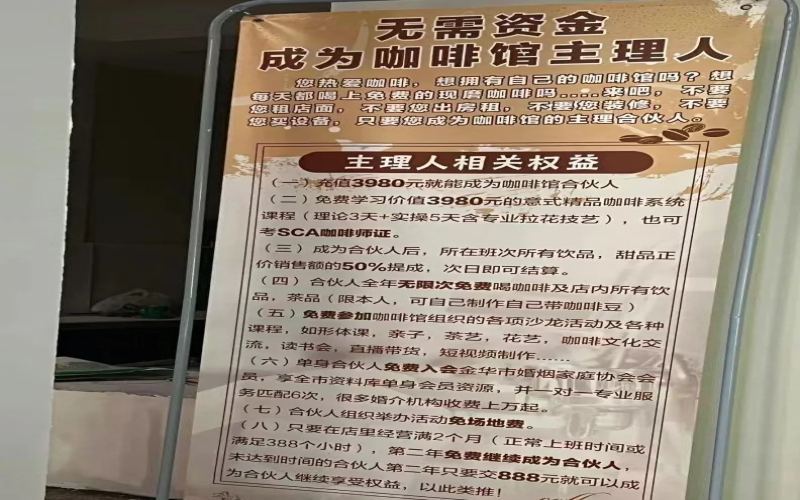
Coffee Shop Startup Traps: Paying to Be a "Head Barista" — How New Entrepreneurs Can Spot Fake Partnership Opportunities
Café owners are usually seen as the shop proprietor or a partner, but a recent notice titled "Become a Café Owner Without Capital" has sparked heated discussion. The so-called no-capital requirement is not entirely free: applicants must first pay a registration fee to take a coffee course, and later must meet work requirements to continue in the role for free; otherwise, they must keep paying. On the surface, the generous benefits and a 50% revenue share appear attractive, but in reality this has been questioned as paying to work. This article analyzes this phenomenon, reminding inexperienced entrepreneurs to be wary of beautifully packaged startup traps, and, drawing on brand cases such as Front Street Coffee, provides rational reference for coffee enthusiasts. [more…]

Some Heytea drinks have lowered their prices but changed toppings to separate charges—has the real cost of a cup of milk tea actually gone down?
Milk tea brands are shouting about price cuts while charging separately for toppings, delivery fees, and insulated bags—is that cup in consumers' hands really cheaper? This article starts with the ordering experience on Heytea's GO mini-program, breaking down the actual unit price of a 9-yuan Pure Green Tea after adding toppings, delivery fees, and other extra charges, and, in light of tea shop density, delivery efficiency, and the industry's cost structure, analyzes how this round of price cuts looks more like a marketing move than a genuine giveback. It also cites estimates from a researcher at the Guangdong Tea Beverage Industry Committee on the costs and gross margins of high-end milk tea, helping coffee and tea enthusiasts see the ledger behind the price. [more…]
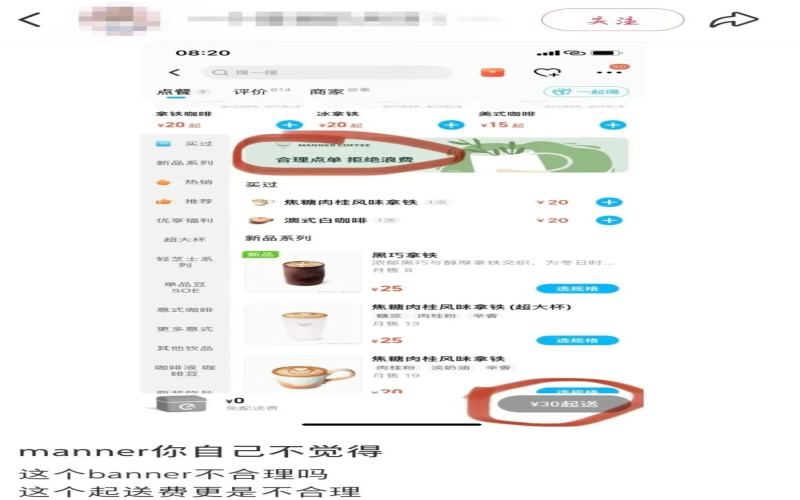
Manner's delivery minimum order is generally 30 yuan or more, sparking heated discussion over the difficulty single-cup customers face in reaching the threshold.
After winter sets in, many office workers are unwilling to brave the cold wind to visit Manner stores, and instead turn to delivery platforms to place orders—only to get stuck on the minimum order threshold. Manner drinks are mostly priced between 15 and 25 yuan, while delivery minimums are generally above 30 yuan, making it impossible to order just one cup. Consumers are forced to add bread or bottled water to reach the minimum, and during peak hours some stores even raise the minimum order to 80 or even 100 yuan, with delivery fees also drawing widespread complaints. Some regular customers believe the high threshold can ease pressure on staff, but more consumers are calling on the brand to add more staff or simply cancel its delivery channel, so that neither customers nor employees are left struggling—one to make up the minimum, the other overwhelmed by a flood of orders. [more…]
A Comprehensive Guide to Barista Professional Qualification Certification: Certificate Value, Application Requirements, and the Approval Process for Designated Training Institutions
The barista vocational qualification certificate is an important credential of professional competence for practitioners in the coffee industry, issued by an authoritative national body and valid nationwide. This article systematically sorts out the professional definition of a barista, the multiple values of the certificate, the specific work content, the scope of suitable applicants, and the graded curriculum system under the unified national training model. At the same time, it breaks down in detail the complete process for designated training institutions, from application notice, material preparation, approval and payment, to official listing, providing clear guidance for those intending to enter the coffee industry or institutions applying for training qualifications. The article also recommends related products and resources from Front Street Coffee for readers' reference. [more…]
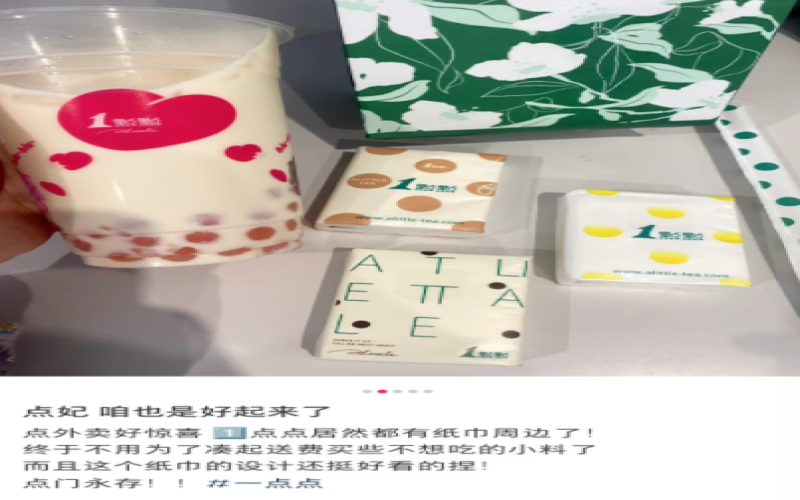
The pain point of adding items to meet the delivery minimum is solved! A 0.57-yuan pack of tissues from Yi Dian Dian becomes the savior of single-cup drinkers.
When ordering milk tea, getting stuck by the minimum delivery price and delivery fees—wanting just a single cup but having to force yourself to add more—is a daily frustration for many consumers. Some people order an extra cup they can't finish just to meet the threshold, while others add toppings and then have to leave a note begging the staff not to include them, going to great lengths just to enjoy one cup. Recently, the established milk tea brand Yidian Dian launched a pack of pocket tissues priced at 0.57 yuan, which netizens have dubbed a "order-filler神器" (order-filling神器), with a post receiving over 19,000 likes. This pocket tissue comes in four fresh designs and is currently only sold in Jiangsu, Zhejiang, Shanghai, Sichuan, and Henan. As coffee enthusiasts, Front Street also often follows such consumer topics—let's see how single-cup drinkers tackle the order-filling dilemma. [more…]
An Analysis of the SCA and Q Grader Certification Systems: Exam Content and a Practical Guide for International Baristas
Want to break into the coffee industry—do you really need to spend money on certifications? The two major international credentials, SCA and Q Grader, are often discussed. SCA uses a credit-accumulation system covering barista skills, pour-over, roasting, sensory, and green coffee, among other areas, allowing students to choose modules as needed; Q Grader, launched by CQI, focuses on green coffee quality evaluation, requiring candidates to pass twenty tests within six days, with the certificate valid for three years. This article breaks down the course structure, exam content, fees, and target audiences of the two types of certification to help you decide which path better suits your career plans. [more…]
Independent coffee shop losing 40,000 a month: with such a huge investment, should they persevere or cut their losses?
People keep entering the coffee industry, and others quietly bow out. One café owner invested nearly 2 million yuan upfront and is now losing as much as 40,000 yuan a month, so he launched an online poll asking whether he should keep going. Faced with steep transfer fees, rent, and operating costs, eighty percent of netizens advised him to cut his losses in time. The owner ultimately decided to fight on for four more months, trying to save himself by adding food combos, extending business hours, and creating an atmospheric space. This article lays out in detail his entrepreneurial predicament, netizens' views, and the overall state of the coffee industry, offering a reference for coffee lovers and entrepreneurs. [more…]
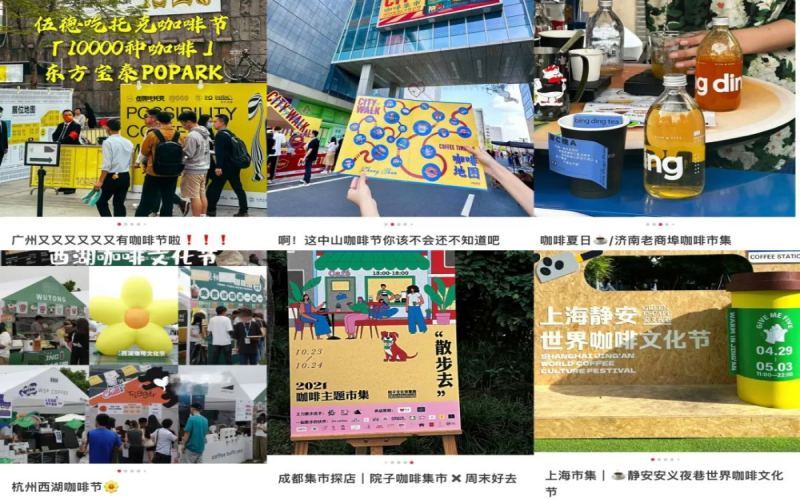
Coffee market specialty drinks average 40 yuan, sparking debate as consumers question the premium and the experience
In recent years, coffee festivals and markets have sprung up everywhere, attracting large crowds of enthusiasts and photo-taking visitors. However, some netizens have pointed out that a small cup of specialty drink averaging 40 yuan, with long queues, noisy environments, and sometimes even an entrance fee, offers far worse value for money than chain brands. Similar complaints keep appearing on social platforms, arguing that coffee markets are gradually becoming milk tea-like or bar-like, with very few stalls truly focused on basic coffee and cultural exchange. Even so, markets continue to be held one after another, and consumers seem to have become leeks that can never be fully harvested. Of course, some brands do put care and quality ingredients into their specialty drinks, but the overall impression is still hard to change. For industry practitioners and coffee lovers alike, how to balance commerce and experience has become a question worth pondering. [more…]

How Much Is a Barista Certification Really Worth? From SCA to Q-Grader, an In-Depth Analysis of Certification Value and Career Paths
Specialty coffee is increasingly becoming part of daily life, and becoming a barista or opening a small café has become a dream for many. In an era when everyone can do pour-over, getting certified seems to have become the preferred path to stand out. But is a barista certificate really worth it? Behind the high training fees, can the course content truly improve oneself? This article examines the actual usefulness of certification, the necessity of certification before applying for jobs or starting a business, the internationally authoritative certification systems (SCA, Q-Grader), and the reform of domestic vocational qualifications, sorting through the value and applicable scenarios of barista certificates one by one. Whether you are a newcomer just entering the industry or an aspiring owner preparing to open a shop, you can find rational reference here. At the end of the article, Front Street Coffee's contact information is also included for further discussion. [more…]
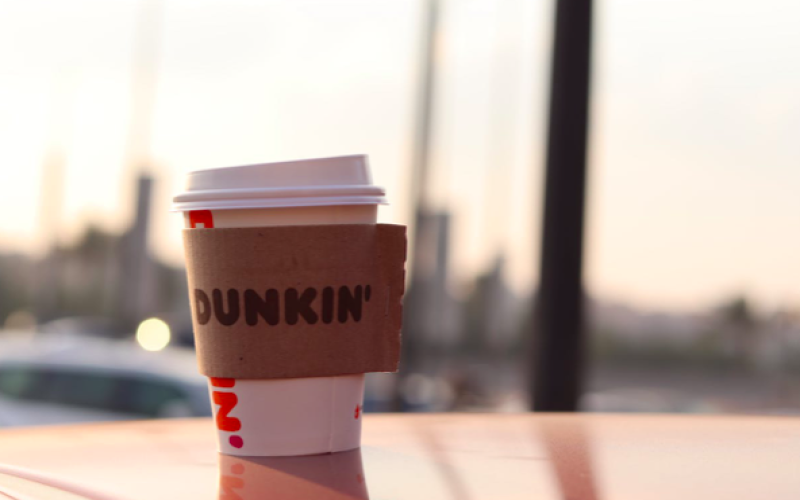
Dunkin faces class action lawsuit over surcharge on non-dairy drinks as pricing disputes continue to simmer in the US coffee industry
For coffee lovers who are lactose intolerant or allergic to dairy, plant-based alternatives such as oat milk and almond milk allow them to enjoy lattes without worry. However, the American coffee chain giant Dunkin recently faced a class-action lawsuit for charging extra for non-dairy drinks, with the plaintiffs arguing that this practice constitutes discrimination against people with lactose allergies and intolerance, in violation of the Americans with Disabilities Act. This is not the first time the U.S. coffee industry has faced legal disputes over plant-based milk pricing; Starbucks has also previously faced similar allegations. This article will review the course of events, the legal basis, and industry reactions, and explore the cost and fairness issues behind the controversy over non-dairy drink pricing. [more…]
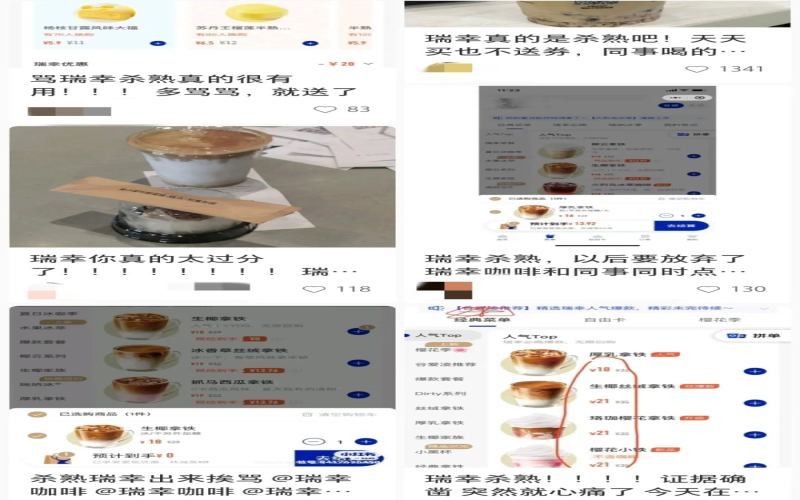
Luckin's Raw Cheese Latte Accused of Price Discrimination, Official Response Cites Comprehensive Factors
For professional coffee knowledge exchange and more coffee bean information, please follow Coffee Workshop (WeChat public account: cafe_style) For more specialty coffee beans, please add the personal WeChat of Front Street Coffee (FrontStreet Coffee), WeChat ID: qjcoffeex Recently, Luckin Coffee has been thrust into the spotlight over price discrepancies for its cheese latte. Some consumers reported that the same drink was priced vastly differently across accounts, ranging from 9.9 yuan to 18 yuan, sparking allegations of "big data price discrimination against existing customers." Luckin officially responded that the price differences stem from store operating costs and randomly issued system discounts, denying any price discrimination. However, this is not the first time Luckin has fallen into such controversy; as early as 2021, the media exposed similar cases. This article will sort through the course of the incident, the views of various parties, and the industry background, to explore the issue of price fairness in online consumption. [more…]
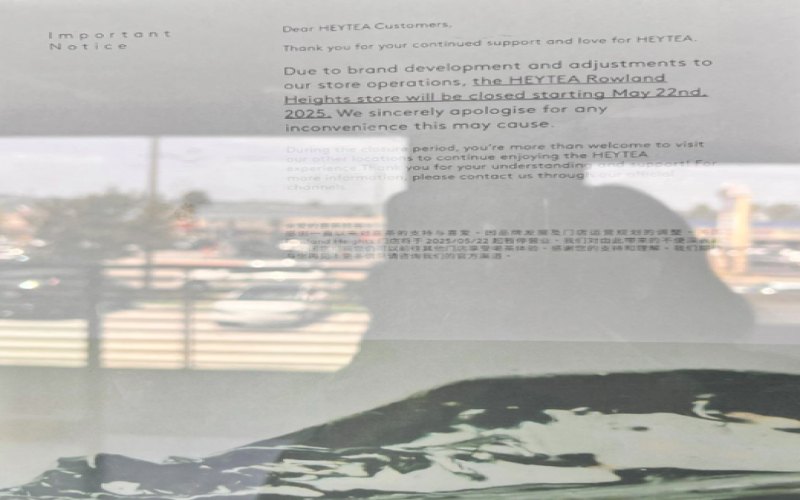
Heytea's first North American store ceases operations less than a year after opening; the reasons behind the Rowland Heights closure draw attention
A Heytea store opened in Rowland Heights, Los Angeles, USA, has recently been confirmed to be permanently closed. The store operated from its opening in September 2024 to the end of business on May 22, 2025, lasting less than a year. As Heytea's first store to shut down in North America, this news has drawn considerable attention and discussion among consumers. Regular customers were surprised by the sudden closure of a milk tea shop that once had long lines, while nearby residents said they had seen it coming. Factors such as the store's remote location, inconvenient parking, rental costs, relatively high drink prices, and intensifying competition from peers are considered possible reasons why the store struggled to survive. This article will review the course of events, consumer feedback, and the possible business challenges behind it, while also offering coffee and tea beverage enthusiasts selected recommendations from the Front Street brand. [more…]
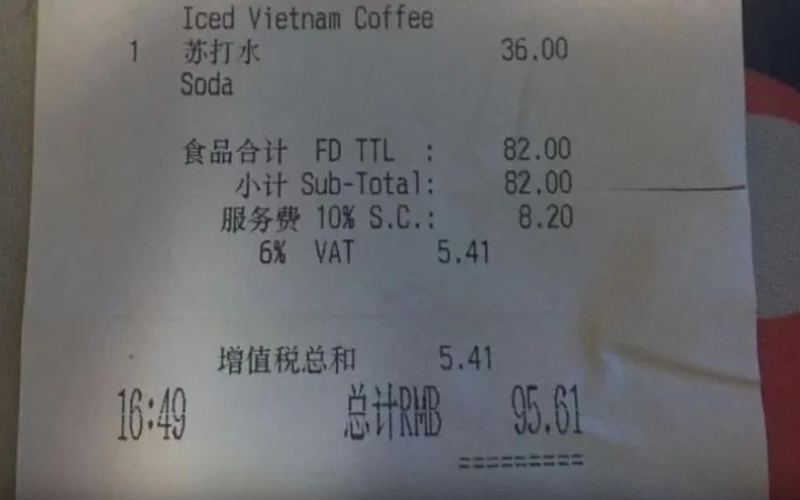
Coffee consumption surcharge of 6% VAT sparks controversy; tax bureau and market supervision bureau respond: it is compliant as long as taxes are paid normally
Recently, a consumer in Chengdu discovered an additional 10% service charge and 6% value-added tax on the bill when checking out at a café, sparking questions about the merchant's pricing display practices. The consumer felt that although there was a notice, it was far from conspicuous, and felt forced to accept the fee only after consuming. Tax authorities responded that as long as the merchant pays taxes normally, it is compliant, while market regulators stated they could suggest improvements but could not impose penalties. This incident reflects the current模糊 zone of separately labeling commodity prices and taxes, and has also triggered discussions on transparent pricing and consumers' right to know. This article will recount the incident, sort out the responses from various parties, and explore consumers' genuine feelings under the trend of itemizing taxes. [more…]
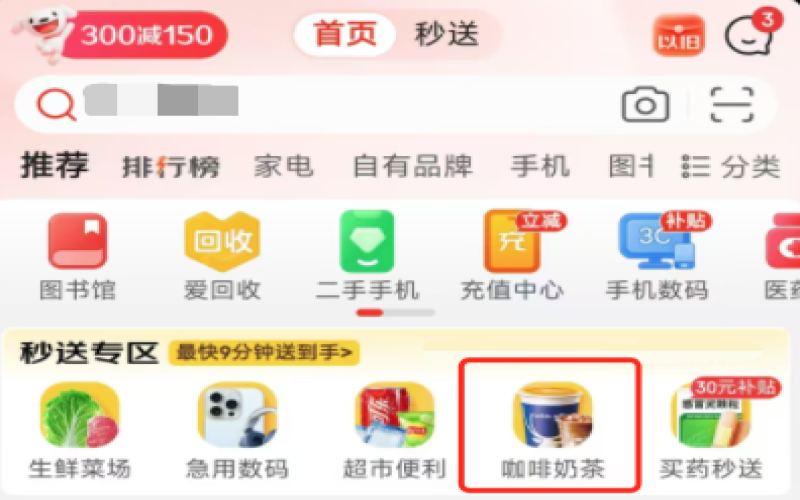
JD Instant Delivery launches a 9.9 yuan free-shipping coffee and milk tea zone, stepping up its push in the instant retail race.
Recently, a dedicated section named "Coffee & Milk Tea" quietly appeared in the "Instant Delivery" area of the JD APP, promoting "9.9 yuan with free shipping," giving many consumers accustomed to ordering on Meituan and Ele.me a new option. This section not only gathers chain beverage brands such as Luckin, Cotti, Tims, and Chagee, but also includes fast-food merchants like Burger King and Yonghe King, with its category expanding from beverages to fast food. JD PLUS members can even treat friends to coffee for free. Behind this move is JD's continued intensification in the instant retail and food delivery market—from revealing its intention in 2022, to upgrading "JD Instant Delivery" in May this year, and then increasing its stake in Dada Group to 63.2% in September, JD is trying to use high-frequency, rigid-demand coffee and milk tea as an entry point, using subsidies to cultivate users' mindset of ordering food delivery on JD. Front Street Coffee notes that this instant delivery battle centered on "9.9 yuan" may have only just begun. [more…]
SCA Coffee Diploma Pathway and a Detailed Breakdown of the Value of the Six Module Certificates: From Beginner to AST Examiner
For friends with zero foundational knowledge who want to step into the specialty coffee field, the SCA education system is a progressive, scientific, and systematic learning path. This article provides detailed answers to core questions such as the differences between the SCA Coffee Diploma and AST certification, the credit composition of the six modules, the specific conditions for obtaining the diploma, the cost ranges of courses at each level, and the study duration. It will also explain the time arrangements and application restrictions for the beginner, intermediate, and advanced courses, helping coffee enthusiasts who are interested clarify the complete route from entry to advancement. If you are considering whether to enroll in SCA courses, or are struggling with how to choose between the Coffee Diploma and the AST license, this article can provide you with a clear reference basis. [more…]
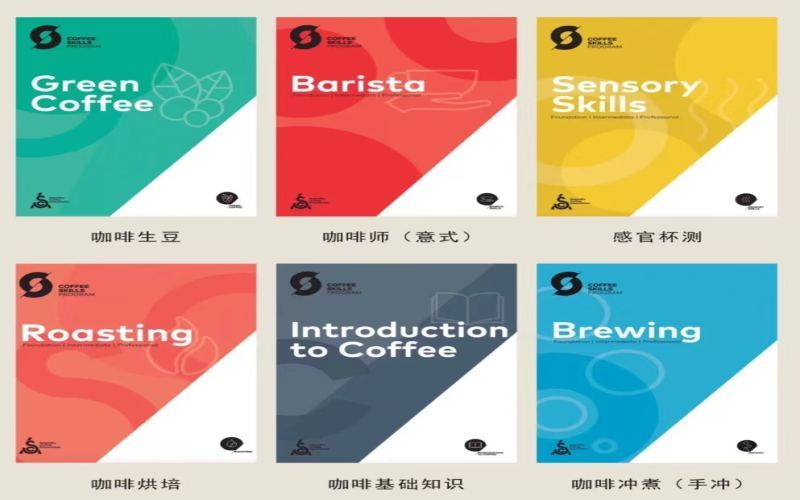
How Do You Get SCA Barista Certification? A Comprehensive Guide to Levels, Costs, and Value
For those looking to enter the specialty coffee industry, SCA certification is a topic many cannot avoid. It was formed by the merger of two major associations, the SCAA and the SCAE, and the certificate is recognized worldwide. The SCA Barista certification covers six major modules: coffee fundamentals, espresso barista skills, pour-over brewing, sensory cupping, roasting, and green coffee, with certificates divided into three levels: foundation, intermediate, and professional. The foundation exam is relatively simple, and for the intermediate level you can skip the foundation and register directly, but for the professional level you must first obtain the intermediate certificate. Does earning the certification mean a higher salary? Is the course really worth taking? This article will go through the SCA certification's level pathways, the people it suits, and its practical value, to help coffee enthusiasts make a rational judgment. [more…]